Uganda’s tech ecosystem is becoming more visible, more ambitious, and more practical. What stands out to me most is that the industry now rewards people who can turn ideas into working solutions, not just those who can talk about technology.
My own path has moved from being a student to an intern, then a freelance developer, and now an apprentice working in real delivery environments. Each stage taught me that growth in this field comes from a mix of fundamentals, persistence, and visible proof of work.
What I’ve observed in Uganda’s tech space
Over the past few years, I’ve seen more young people experiment with software, automation, networking, and digital products. There is more energy around innovation, and more opportunities are opening up through remote work, startups, and local organizations that need reliable digital solutions.
At the same time, the industry still has gaps. Mentorship is not always easy to find, infrastructure can be limited, and many people still need stronger practical experience before they can compete confidently. That is why building projects and contributing to real work matters so much.
From student to professional: the path I have experienced
Student
Built a foundation in computer science, problem-solving, and core technical concepts.
Intern
Learned how enterprise systems work through hands-on support, networking, and infrastructure tasks.
Freelancer
Applied technical skills to client projects and saw how product delivery works in practice.
Apprentice
Moved into more structured development work, collaboration, and shipping production-ready solutions.
Why practical experience matters so much
One of the clearest lessons I’ve learned is that the local tech market values evidence. Employers and clients want to see what you can build, how you think, and whether you can follow through on a solution. A polished portfolio, well-documented projects, and thoughtful communication can often matter more than theory alone.
My internship at NCR Uganda gave me a strong view of how infrastructure and reliability work in real environments. My freelance work pushed me to handle client expectations, project planning, and responsive delivery. My current work with Refactory and SwanAir has shown me how modern software products are shaped by both technical depth and business needs.
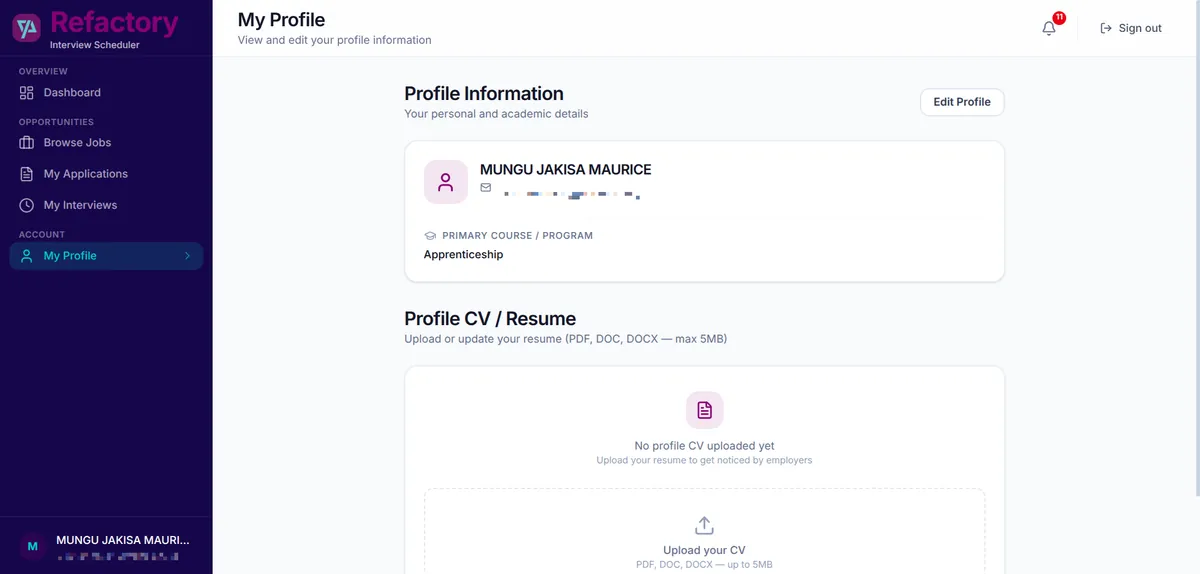
Refactory Interview Scheduler
A recruitment platform built to simplify scheduling, improve coordination, and support a fast-moving event workflow.
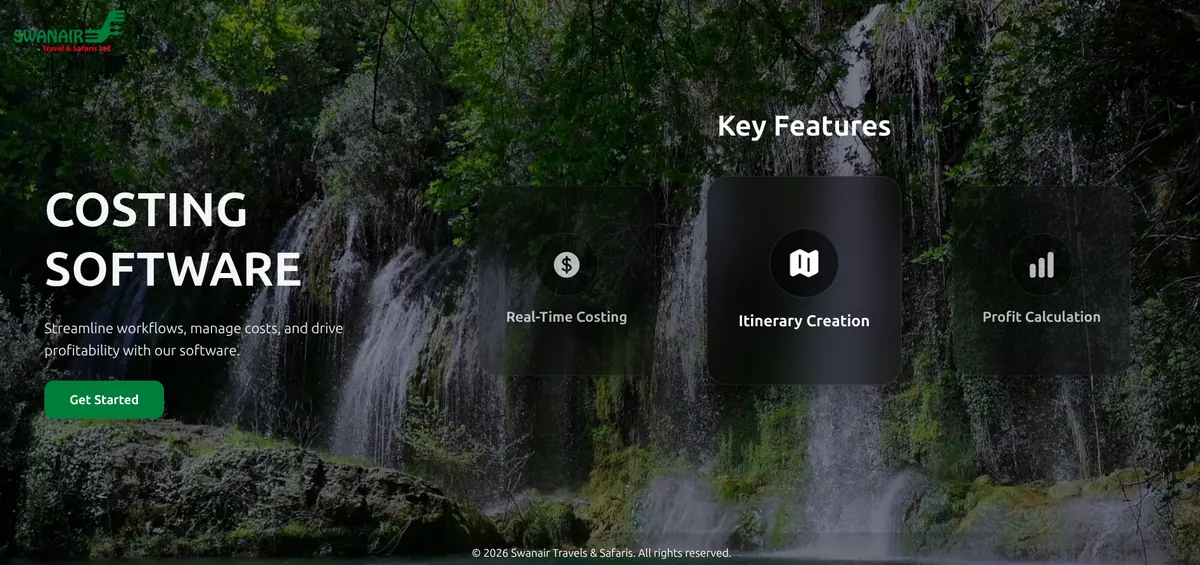
SwanAir Costing Platform
A real-world travel and safaris costing platform created to support pricing, itinerary planning, and digital operations.
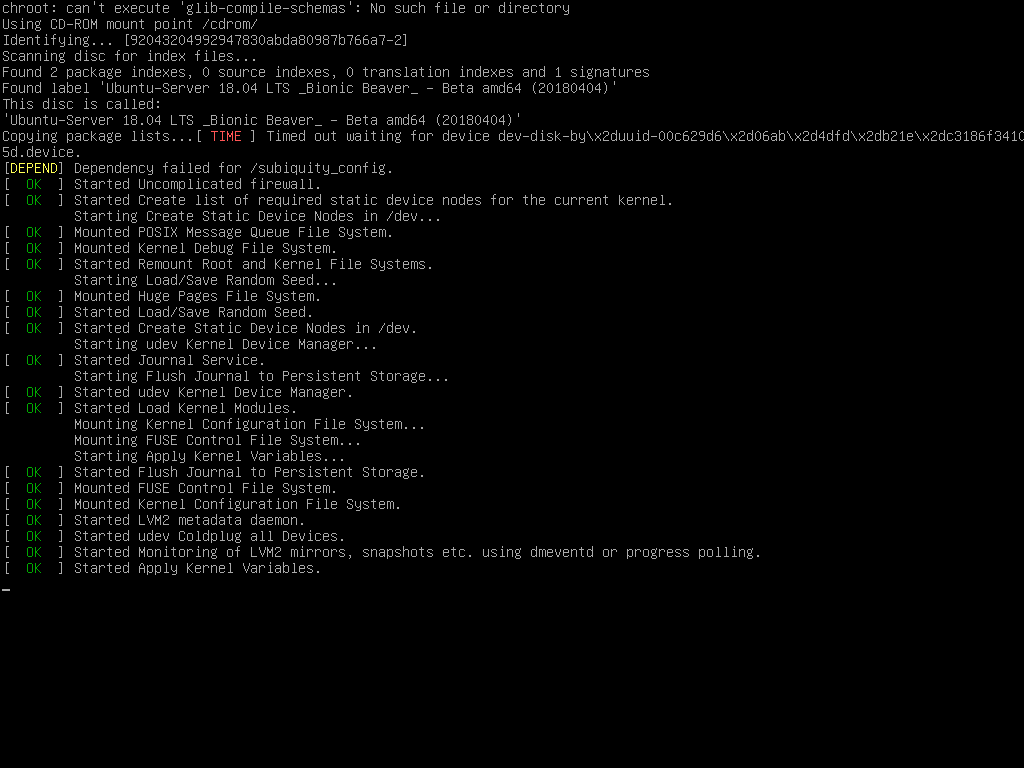
Linux Home Lab
A self-hosted environment used for Linux administration, Docker, networking, SSH security, and DevOps practice.
A beginner’s path into tech in Uganda
This path is not linear, but it is practical. The more you build and share, the easier it becomes to turn curiosity into opportunity.
What I’m learning right now
- Advanced React and TypeScript for modern web products
- Backend development with NestJS and Django for scalable systems
- Docker, CI/CD, and Linux administration for reliable deployment workflows
- Cloud infrastructure and DevOps practices to strengthen real-world delivery
Final reflection
The Ugandan tech industry is still growing, but it is already rewarding people who are consistent, curious, and willing to build. For anyone entering the field, the best move is not to wait for perfect conditions. It is to learn deeply, ship small things early, document your progress, and keep showing up.